Saturday, November 7, 2009

Setting Up Fiscal Sustainability

I was interested to see former Texas State Rep Mike Krusee talking about the subsidization of roads and others at the CNU Transportation Networks conference talking about his conversion from evil, especially after we know he screwed Austin back in 2000 and 2004 essentially getting them into the mess they are in now in a somewhat roundabout way.

What was especially interesting was to hear him mention that he was the one that wanted to look at how much roads cost and thus authorized the study to index how much roads cost in Texas. What did they find? No road pays for itself. None. Curiously, that study or any mention of it exists no where on the TxDOT site. The only memory of it existing is on the blogs that picked it up after it showed up again in a newsletter. We covered this back in 2007 and notice that the pages that once kept this information front and center at TxDOT are gone.

It seems like information like this would be extremely powerful in pointing out everywhere around the country that essentially our way of funding expansion of roads now is broken. And even though he's not one of my favorite people for many reasons, Krusee made a basic point that I think is important even if we probably don't agree on the outcomes. We have enough money in the system. We just need to start allocating it correctly.
Over the past 50 years, Krusee argued, the federal government was using tax money that came by and large from cities to subsidize roads to areas without access otherwise. "City dwellers have subsidized the land purchases and the development costs out in the suburbs," said Krusee. What's more, the gas tax, which city dwellers pay when driving on city roads, but which goes to freeways largely outside of urban cores, is "a huge transfer of wealth from the cities to the suburbs to build these rings."
This admission is important, and it points the way towards sustainability for the whole urban economic system. Once we realize that we can't keep expanding roads(or sewer, electrical systems which have similar costs to the roads in terms of return according to Scott Bernstein) further and further out, and that the goals of the interstate system have been co-opted by suburban development forces for fiscally and environmentally unsustainable practices, the more of an effect we'll have on changing every citizens fortunes, not just those who build sprawl.

This also brings me to a point that Scott Bernstein made at the conference, that in these hard economic times, we need to really focus on how these investments will create value and wealth for people and cities in hard economic times over the long run. As my college professor Shane Davies always said, if you want to make change, you "hit people in the pocketbook".

Wednesday, November 4, 2009

Stories Like This

When I see headlines like this, It makes me a bit upset.

"Woman Raped Along Uptown Light Rail Line"

Not just because someone was violated against their will, but also because the insertion of along Uptown Light Rail Line vilifies the line itself for something it really had nothing to do with. If you read closer into the story, the woman was not riding the light rail line and was assaulted downtown walking on a sidewalk. Could have been any sidewalk and she could have been leaving any bar. But the headline screams "transit is dangerous". These kind of associations happen all the time and will continue to happen. I just wish they didn't.

Tuesday, November 3, 2009

Monday Night Notes

Chris Leinberger tells us that "value capture" is the term of the next year. Though I wish he would dig a bit deeper.
~~~
Izmir imports trams from China.
~~~
Is McCrory for transit or against it? He likes the train when he's in Tampa, but doesn't want to spend money for the streetcars or an extension of light rail. Kay Hagen understands.
Hagan rode to her new Charlotte office – a symbolic short hop – on the Lynx light rail line, a reminder that earlier this year, she secured $24 million for the Charlotte Area Transit System
~~~
Edmonton will levy a fee on suburban developers to pay for new transit.

Sunday, November 1, 2009

Job Centers Should Be Center

As Becks notes, I think its important to start thinking 20 years ago about transbay capacity. Unfortunately we haven't had a real conversation in the region about it. A second tube (I believe with four tracks for commuter rail and BART) is certainly needed to reinforce San Francisco and Oakland as the central job centers of the region. But why waste $10B on a new tube as Rafael from CAHSR blog says in the comments when you could be creating more jobs in the regions other centers.
Instead of demanding the construction of a second BART tube for $10 billion, perhaps we should be asking why everybody and their grandmother absolutely, positively has to work in downtown San Francisco to begin with.
I'm pretty sure San Francisco's CBD only has a certain small share of the region's overall jobs, perhaps 10-15% at most. I'm guessing here but for the most part this is the case in most of the country. But the reality is that since the jobs are clustered so tightly, they demand usage of alternative transport. They also are places of agglomeration and its not an issue of the execs getting a corner office but where face to face meetings and deals happen at lunch. (This is a whole other topic but I don't believe E-working is every going to replace working in an office with other people) There is a reason why the first BART system was built, because leaders of the area wanted to be the Banking Center of the West Coast and needed that critical mass of density and prestige to achieve it.

Another issue here is that of sprawl. There is this belief that the highways and housing policies were what caused the sprawl with the thought that more people could just drive into the central city. But in reality its even more nuanced than that. We've been building these roads out but when we do that we create these job centers and edge cities on the periphery that increase the outward migration pattern. People keep moving out and towards the exact point at which they can have a thirty minute commute or less from their job center. For jobs such as finance or research or science that are transit oriented, this means less people taking transit and more people deciding to drive their cars. I'm fairly confident that less Chevron employees take transit to work these days. It also means less urban office parks with parking lots that increase reliance on SOVs even more. We see this with Pleasanton and the continued movement of people out to Stockton.

If we're truely going to be transit oriented and sustainable in this region, we can't put a cap on the jobs in the center cities and continue to push jobs out to the periphery. If you don't spend that $10B on a second tube and push for more development (residential and employment) in BART's current reach in the inner East and West bay and even more money on an actual urban rapid transit network to connect to the existing bus network, I would argue that you're going to be spending much much more money to try and get people to and from their exurban and suburban job centers let alone the difference in city services (water sewer police fire) that must be supplied to all of these new suburbs and growth.

Thursday, October 29, 2009

At Rail~Volution

Posting is going to be slow over the weekend as I am at Rail~Volution. Got some good sessions lined up including one with Ryan Avent, Aaron Renn (The Urbanophile) and Adam Gaffin (Universal Hub). You can follow along on twitter with the hash tag #RV09.

Wednesday, October 28, 2009

Tuesday Night Notes

It's just not like when we grew up. I remember riding my bike to school.
"The biggest problem presented in the report is the fact that cities are being planned especially for cars and for adults,"
~~~
Redevelopers have tighter funding these days.
~~~
Learning to live without a car. Moving from the burbs to the bright lights.
I used to make a big grocery shopping trip just about every Saturday, driving several miles to a store and throwing half a dozen shopping bags into the trunk. Now I can walk to a supermarket three blocks away
~~~
Suburbanization and climate change. They are linked.
~~~
Apple will spend some cash to revitalize a Chicago Subway Station.
~~~
I couldn't agree with Ryan more on this point.
There is a terrible chicken-and-egg problem to transportation planning, in which planners express regret that there is so little transit demand and so much traffic before building new roads. They have to accommodate the demand they've got! But you can't have transit demand if you don't have transit, and if you don't recognize that, then you're doomed to keep building roads forever. No one in the mind of the planners has yet invented a substitute for the automobile.
~~~
The electric transit revolution is upon the British. Trolleybuses return.

Who Said That?

The leader of which country made the following statements?
He said one great problem facing cities was historic under-investment in public transport, which meant services were under heavy strain or, on city fringes, non-existent. Better planning was needed to ensure communities were not separated from jobs and services. "Isolated communities breed social exclusion and entrenched disadvantage," Mr **** said. 'Increasing density in cities is part of the solution to urban growth, alongside greenfield development." He said the development had to happen with regard to climate change, with carbon emissions reduced through better design and greater consideration of water use.
Why Australia's Prime Minister Kevin Rudd. The willingness to punish for past and possible future transgressions was not unnoticed either.
Kevin Rudd wants to seize greater control of urban planning by denying infrastructure funding to states and councils that won't agree to improve public transport and ban haphazard housing development.
If only didn't spend more money on cars than transit here in the United States and had rules with teeth. But in the current system everyone has to get theirs whether they deserve it or not.

Monday, October 26, 2009

Monday Night Notes

Have you ever had a picnic on the grass on a major bridge?
~~~
Officials in India are calling for high rises. I'm surprised they didn't go up before.
~~~
Businesses in the UK are starting to use carshare companies instead of keeping their own fleets.
~~~
Integrating BRT with a Metro should be a no brainer.
~~~
I can see why folks in East LA wanted a subway. Its a dense area and it would have been nice. But whining about it and getting upset right before it opens seems a bit lame to me.
~~~
Lots of regulation of safety on commuter rail are causing a strain.

Sunday, October 25, 2009

Funnel Cloud

While these are nice pleasantries, I think the Obama administration needs to back up their words with action. Metro regions are the economic engines of this nation yet the stimulus is evidence that they are still not getting the attention they deserve from the administration. There's a great opportunity in the transportation bill to funnel money directly to cities, but the administration has decided just like the Bush administration to push it back, even though it could act as a second stimulus.
The Obama administration may funnel more federal aid directly to cities and bypass states, Valerie Jarrett, a senior adviser to the president, said during a Chicago appearance with her former boss, Mayor Richard M. Daley.
I'll believe it when I see it happen.

Voting for Streetlights, Manhole Cover Locations

I don't quite understand where there is this want to vote for transit improvements that aren't related to tax increases. The most recent example of this after Cincinnati's issue 9 is Boise, where local city council member Dave Lister is looking to put a measure on the Ballot that would require a 50% vote to build a streetcar even though there is no tax increase involved.

The precedent for this is Capital Metro in Austin, which is the only public agency in the United States that has ever required a vote for city services for which it already had the money to construct. In fact if a vote was required for every rail project in the United States we might not have successful rail projects in San Diego, Houston, or Denver who's first lines were built with existing funds without voter approval.

We don't have votes for road expansions, only bond measures to pay for them. We don't have votes for water treatment plants or new sewer systems that we have money for. Perhaps if we need to raise money we would ask the people. What is so different about rail transit infrastructure that requires a pure democratic vote? Isn't that why we elect city council members? To make more informed decisions on these issues than the general electorate can take on.

It's actually a road we've been traveling down in California and other places where elected officials wimp out behind expected voter mandates instead of taking a strong stand. Many places have councils that have taken a stand against streetcars and other projects which is great because they are stepping up to say yes or no, but whenever a council gets close to making a decision in their favor, it seems like these pure democracy votes pop up for something that doesn't require a tax increase. Ultimately infrastructure decisions shouldn't be left up to a vote unless there is a tax increase involved. I imagine that nothing would ever get done if it were the case that every infrastructure decision needed a vote. It's bad enough as it is with lacking political will in this country to do anything forward thinking, why put another layer on it?

Abu Dhabi Moving on Tram Plan

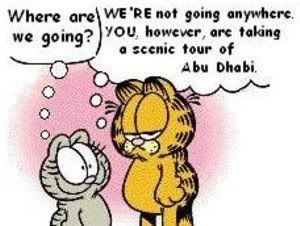
When I think of Abu Dhabi I think of Nermal. You know, the cat that Garfield always wanted to get rid of and send to the middle eastern region.

Jim Davis, Garfield via Photobucket

But soon you might be thinking about tramways as Abu Dhabi looks to potentially build 340km of tramways.
The project, known as the Abu Dhabi Light Rail Transit/Tram study involves 340 kilometers of tram lines and is one of several major transportation projects that make up the Surface Transport Master Plan. The department expects the LRT to start operating in 2014.
What I'm wondering about with these tram plans in middle eastern cities is are they connected to urban development plans that focus on walkability? It seems that a common complaint about the system in Dubai is that buildings aren't really in sync with how the transit operates. But that is likely a building design issue with urbanism in the area around the line. I say this mostly because it looks like there is a good grid pattern in the city.

Wednesday, October 21, 2009

I'll Juice You Up

In St. Paul the utility company is going to have to rip up the streets anyway for light rail so they are trying an innovative energy rebate program and testing smart grid technology. Sounds pretty interesting.
The area is being dubbed “the Innovation Corridor,” says James Lockwood, a spokesman in Mayor Chris Coleman’s office. “Since all the utilities have to get in there to move lines because of the installation of light rail, they saw this as a great opportunity to figure out what to do to create smart grid technology to improve energy efficiency for businesses and homes,” he says.
I just hope they aren't asking for free cable...

California Air Raid

Just like the transit folks, the CRA is not going to take it from the state anymore. Or at least they are not going to let it be taken. Recently the state supreme court ruled that transit money couldn't be just thrown into the general fund and now the redevelopment agencies are trying to block to keep California from stealing their money as well. Who is the plaintiff? Why Union City who has been trying to redevelop around their BART station.
In Union City, the State raid threatens to delay the 100-acre BART Station District redevelopment project. The project, a collaboration between the Union City Redevelopment Agency, other local transit agencies and the state and federal governments, includes remodeling the BART station to create a two-sided station with additional parking; nearby new housing; new offices; and retail space. This transit-oriented development has been in the works for 10 years.
Here's a solution. Fix prop 13! Fix the budget process and hold a constitutional convention. Cut out the shell games because everyone is tired of you not bringing enough lunch money and bumming off of them.

Tuesday, October 20, 2009

Tuesday Night Notes

China is having the same issue with urban growth that we have with VMT. It seems as if they are growing so fast that it negates their sustainable development goals. This is just like driving in that we increase it so much that its likely to negate any fuel economy gains we make.
~~~
Tampa is looking at a transit tax in 2020. By the time they implement it and build something, I'll be 50. When I think about all the things that happened between 1950 and 1970 I'm amazed that we can move with such sloth these days.
~~~
Houston residents are getting ancy about their lack of euclidean zoning regulations. I kind of like the lack of definitions inside the loop. It's a nice experiment in what can happen, even though there really are parking and setback regulations.

Monday, October 19, 2009

Four Two Through

Dave thinks there might be a correlation between the number of trains into a station and its development pattern. I think there is a bit more to do with it than that including market and available zoning allowances. But I think sometimes the market can be influenced by the amount of transportation available to an area over time.

For example I believe downtown Oakland was a little hamstrung when BART decided to split off trains to Fremont before going through a downtown Oakland station. With four lines instead of two going through downtown Oakland, it seems like it could have changed Oakland's equasion. Currently there is high frequency in the morning and evening rush, but at other times it could really use more trains into and from San Francisco. When there are opportunities to provide more service to a major destination, it seems like more service is a wise move that might be able to set the table for other improvements.

A Small Charge

I thought this article on ultracapacitor buses was interesting in that they have been used in China for a number of years. One of the surprising things to me was that they didn't recharge for much shorter intervals at more charging stations but for a long time at a single station for 5 to 10 minutes. It seems to me that with improvements this type of tech could also be used for trams. It will come at some point, but I still don't think its worth discharging overhead wires.

Sunday, October 18, 2009

And I'm Back in the Game! Italy Blogging

Hope you all had a good two weeks. My two weeks were awesome. I think everyone should take a break once in a while. It will do wonders for your mind.

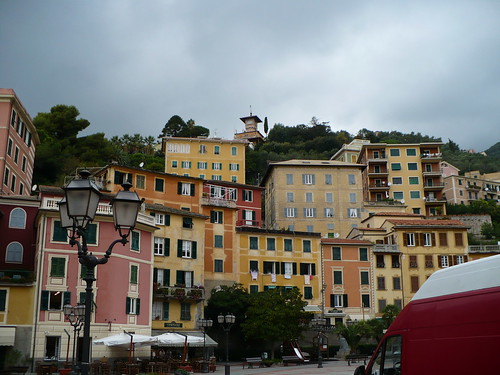
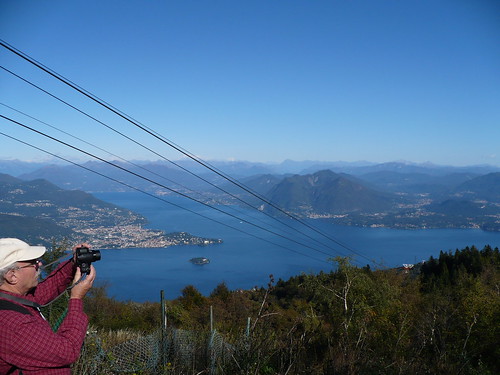
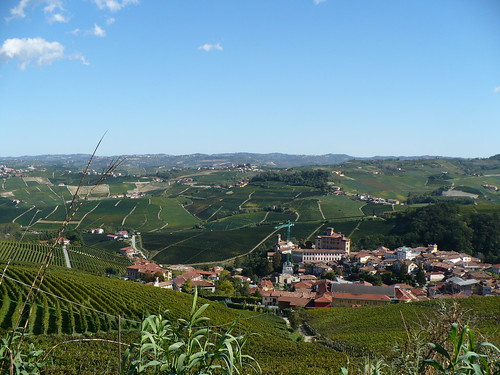
I don't have as many transit pictures from this trip as I wasn't in cities as much. I did visit Milan and Turin and got a couple of streetcar, bus, and train shots but i'll share those later. I also took a lot of different modes of transportation, basically everything except a bike which i've already gotten crap for on facebook :) The final tab is such: Car, tram, train, subway, bus, cog railway, arial ropeway (tram), boat, plane, taxi, foot. Lots of foot. I did see a lot of bike sharing in small towns which was surprising and I really enjoyed my boat rides, which I don't do much here. In any event, here are some of my favorite places from the trip. I'll get back to regular blogging tomorrow.

The beaches were mostly stones

Zoagli

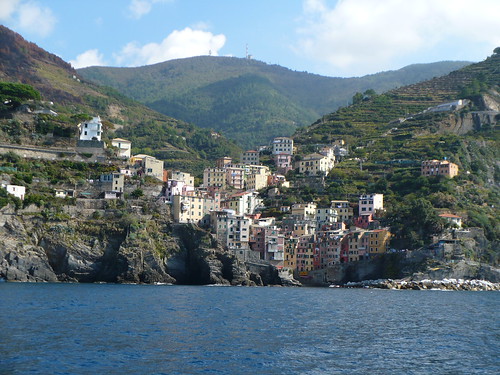
This is Zoagli (Zwal-e) The towns on the coast hug the hills

Zoagli

In Zoagli we got to see how silk and velvet fabric was made


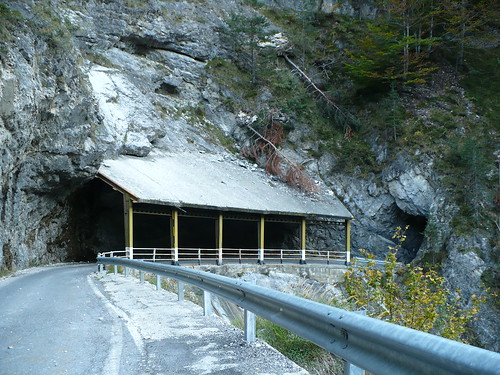
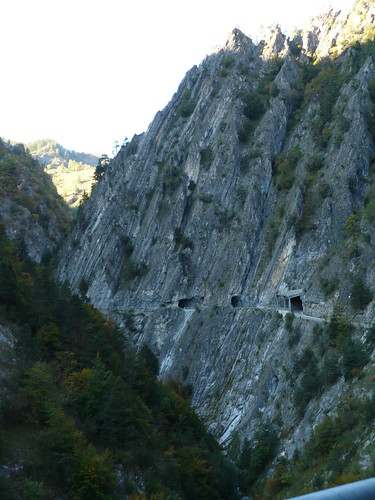
We drove through the Alps on Mountain Roads

Piedmont Day 1 Saluzzo, Alps

Piedmont Day 1 Saluzzo, Alps

See the three portals for the road?

Piedmont Day 1 Saluzzo, Alps

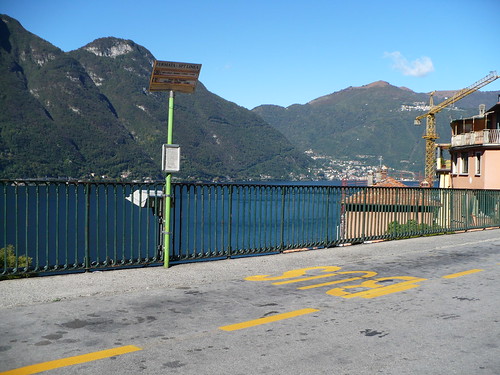
Drove through the upper lakes, prettiest bus stop ever?

Italian Lakes, Como, Maggiore

Italian Lakes, Como, Maggiore

Scene from the top of the aerial ropeway

Piedmont Towns Day 2

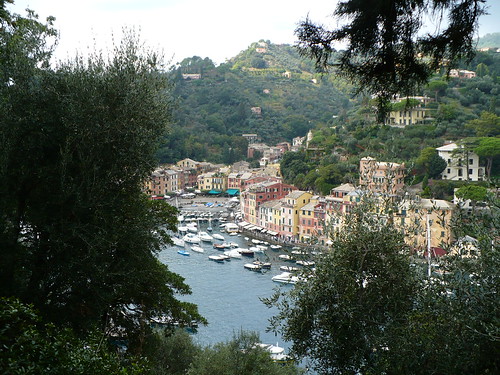
Portofino was nice

Portofino

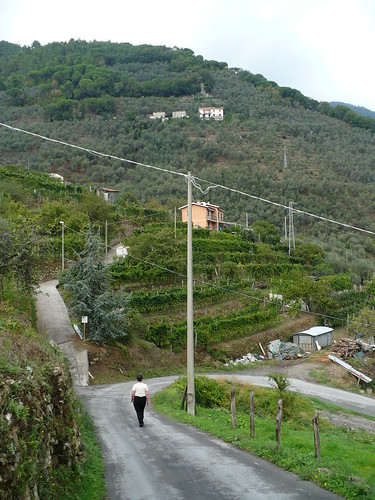
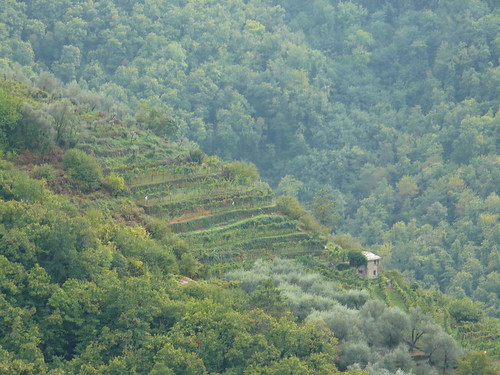
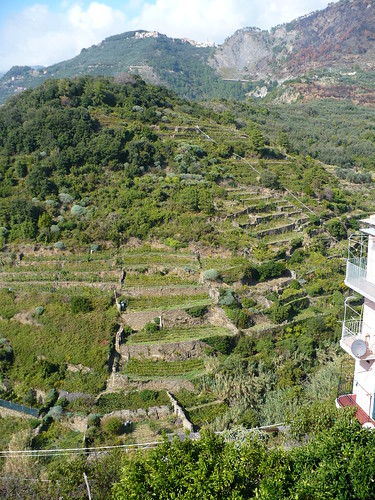
My Great Grandparents likely graced these spots in the hills above Chiavari in a small commune called Ne. It was really great to see where at least part of my past came from. The terraced hills are everywhere, these are for olive trees.

Ne Italy

Ne Italy

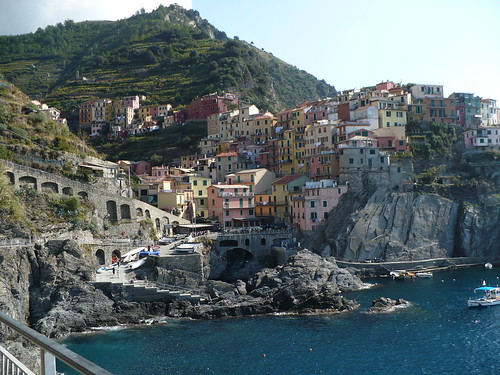
The Cinque Terre was amazing

Cinque Terre

Cinque Terre

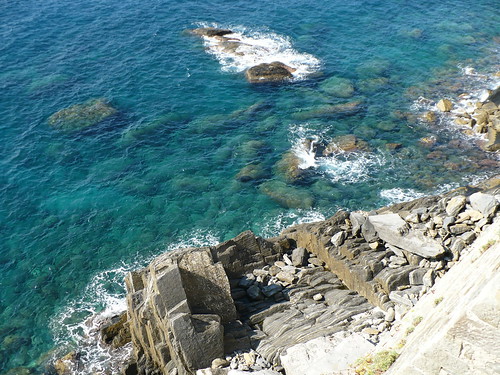
and the water was blue, but a color I had never seen.

Cinque TerreCinque Terre

Cinque Terre

It was a great way to take a break. I highly recommend going to Italy, especially the Piedmont south of Turin.

Thursday, October 15, 2009

Replay 8/7/08: What if the Trams Were Gone?

A very cool video that probably saved Melbourne's Tram system from the usual suspects back in the day. Visit Keep Melbourne Moving for More...


Monday, October 12, 2009

Replay: 10/09/08 Patriotic Beer Redux

I know I've posted this commercial before but it came through my reader again and I was about to skip it but decided maybe I'd have another listen. What I found, was that it had even more to do with the situation we're in today more than ever. Tough times call for tough men. Here's the transcript:

Ah. That's the way patriot. Let the OPECs keep their gasoline. We'll just tap into a far more efficient energy source. Man....power. If we all learn to pull our weight. Nobody, nobody will be able to siphon away, our high life.


HT Twin Cities Streets for People for the Reminder.