In a similar discussion as
the post below on Charlotte's competitiveness,
Brendan O'Shaughnessy at the Indianapolis Star discusses why it is that Indianapolis isn't as competitive. The reason? The want to keep the cost of government low.
Indianapolis spends far less than these other cities on government -- and consequently spends far less on such things as parks, public transportation, the arts and libraries, amenities that some people view as optional but that experts see as critical to making a city vibrant and competitive.
Indianapolis' spending choices underscore two core community values: thrift and an affinity for small government.
It sure explains a lot and offers a vision of what a more libertarian type future would be like. The point seems to be that they don't value the commonwealth ideals as much as regions like Portland and Seattle who value parks and libraries.
"The unwillingness to gut it up for big expenditures made it hard to keep pace with other cities," Hudnut said. "It's very tough to fund some of these necessary improvements if you campaign on a no-tax mantra."
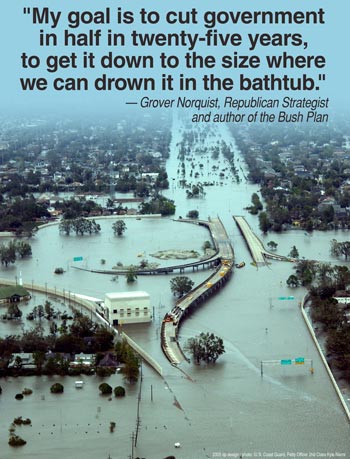
The no-tax mantra is alive and well as we know from the famous Grover Norquist wish to shrink government so much that it could be drowned in a bathtub. But this no-tax policy also seems to be killing needed services and common goals. Unfortunately, people don't quite understand the value of networks when thinking about the beginning of transit or parks for that matter. It's all about what benefits me now and not the Universe of benefits but rather the MEniverse.
Melyssa Donaghy, an anti-tax activist with Hoosiers for Fair Taxation, acknowledges as much. "I don't use the parks except the Monon Trail," she said. "I don't think it's affecting my quality of life. What's affecting my quality of life is the ability to pay my bills."
Sure it might not be affecting your quality of life, but what about others? What about things that do affect your quality of life that others don't want to pay for. This comes up with transit as well. Why should I pay for that if I don't use it. Well, the people who will take transit often pay for your roads, why should they do that? If I take BART to work every day, why should I pay for the new Bay Bridge span? It doesn't benefit me directly. Therein lies the problem.
I think this answers why older rust belt cities are doomed to die a slow painful death. Places like Cincinnati and Indianapolis will never be havens for the creative class unless they start investing money in their cities instead of being misers. Being cheap in the MEniverse is easy. Investing in all aspects of community, well that takes civic pride and a willingness to provide common wealth for the common good.